


Table of content
Introduction
The Role of Distributors in Energy Equipment Manufacturing
Key Distributor Collaboration Challenges
Why Traditional Distributor Management Fails
How Manufacturing Cloud Streamlines Distributor Collaboration
Industry Use Case: Energy Equipment Manufacturer
Business Benefits of Improved Distributor Collaboration
Best Practices for Implementation
Future Trends in Distributor Collaboration
Conclusion
Frequently Asked Questions (FAQs)
1. Introduction
Energy equipment manufacturers play a crucial role in supporting industries such as oil and gas, power generation, renewable energy, and utilities. These manufacturers produce highly specialized equipment including compressors, turbines, valves, transformers, drilling components, and pipeline systems.
Because these products serve global markets, manufacturers rely heavily on regional distributors, EPC contractors, and industrial resellers to reach customers efficiently.
However, managing distributor relationships can be challenging when data is scattered across systems and communication is inconsistent.
Modern CRM platforms such as Manufacturing Cloud from Salesforce enable manufacturers to streamline collaboration with distributors by providing real-time visibility into demand, orders, inventory, and incentives.
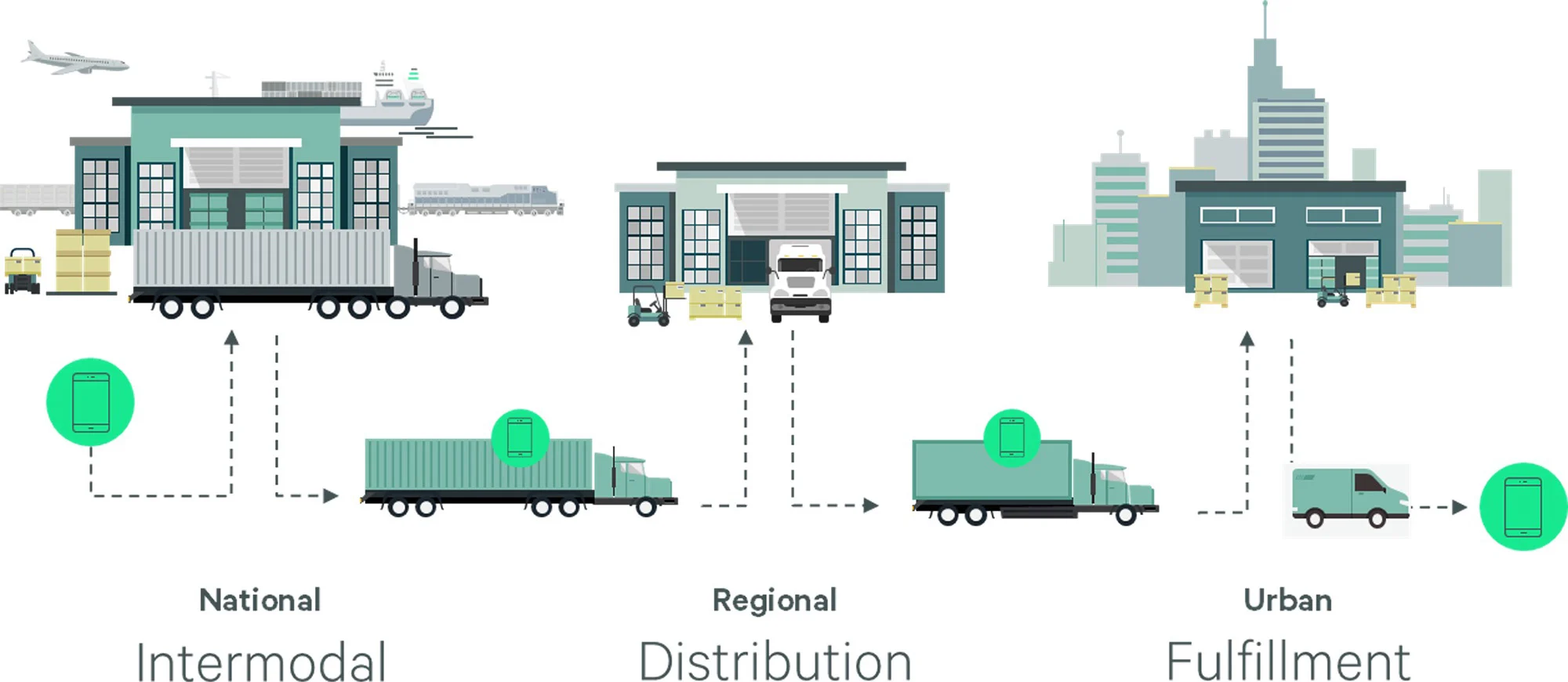
2. The Role of Distributors in Energy Equipment Manufacturing
Distributors are critical partners in the energy equipment ecosystem. They help manufacturers:
- Expand market reach across regions
- Provide local customer support
- Manage inventory and logistics
- Deliver faster response times for industrial clients
- Support installation and maintenance services
In many cases, distributors serve as the primary interface between manufacturers and end customers. Because of this, accurate communication and collaboration are essential.
3. Key Distributor Collaboration Challenges
1. Limited Visibility into Distributor Demand
Manufacturers often lack real-time insight into distributor sales activity. This creates demand uncertainty and affects production planning.
2. Inventory Imbalances
Without coordinated planning, distributors may face:
- Excess inventory in some regions
- Stock shortages in others
This reduces operational efficiency.
3. Complex Pricing and Incentive Programs
Energy equipment distributors often operate under complex agreements that include:
- tier-based pricing
- sales incentives
- volume rebates
Tracking these programs manually can lead to disputes and errors.
4. Communication Gaps
Many manufacturers rely on emails, spreadsheets, and phone calls to manage distributor relationships. This slows decision-making and increases the risk of miscommunication.
5. Lack of Performance Insights
Manufacturers struggle to measure distributor performance without consolidated data, making it difficult to optimize channel strategies.
4. Why Traditional Distributor Management Fails
Traditional distributor management approaches rely on fragmented systems. Common issues include:
- Disconnected CRM and ERP platforms
- Manual order processing
- Limited data sharing between partners
- Lack of real-time analytics
These limitations prevent manufacturers from building truly collaborative distributor ecosystems.
5. How Manufacturing Cloud Streamlines Distributor Collaboration
Manufacturing Cloud offers advanced capabilities designed specifically for manufacturing channel management.
1. Partner & Distributor Portals
Manufacturers can provide distributors with secure portals where they can:
- submit orders
- update demand forecasts
- access pricing information
- track shipments
This creating a centralized collaboration platform.
2. Collaborative Demand Forecasting
Distributors can contribute demand projections directly into the system, enabling manufacturers to create more accurate forecasts based on
- regional demand trends
- customer purchase patterns
- upcoming projects.
3. Real-Time Inventory & Order Visibility
Manufacturers and distributors gain shared visibility into
- inventory levels
- order status
- shipment schedules
This transparency improving supply chain coordination.
4. Automated Incentives & Rebates
Manufacturing Cloud automates complex pricing programs, allowing manufacturers to manage
- volume-based discounts
- partner incentives
- rebate calculations
This reduces administrative workload and prevents revenue leakage.
5. Integrated Supply Chain Coordination
By integrating CRM with ERP and supply chain systems, manufacturers can align distributor demand with
- production schedules
- procurement planning
- logistics operations
This ensuring faster order fulfillment.
6. AI-Driven Insights for Channel Performance
Advanced analytics tools enable manufacturers to gain deeper insights into distributor networks.
AI-driven features can:
- identify high-performing distributors
- detect demand trends across regions
- recommend channel optimization strategies
These insights support better strategic decisions.
7. Industry Use Case: Energy Equipment Manufacturer
A global manufacturer producing industrial compressors and pipeline equipment relied on distributors across multiple regions.
Challenges
- limited visibility into distributor demand
- inconsistent forecasting data
- slow order processing
Solution
After implementing Manufacturing Cloud:
- distributors submitted forecasts through a partner portal
- sales and operations shared a unified platform
- automated incentive programs improved transparency
Results
- improved forecast accuracy
- faster distributor order processing
- stronger partner relationships
- increased channel sales performance
8. Business Benefits of Improved Distributor Collaboration
Improved Demand Visibility
- Manufacturers gain better insight into regional demand.
Higher Forecast Accuracy
- Distributor inputs improve demand planning.
Faster Order Processing
- Automated workflows accelerate operations.
Reduced Inventory Risk
- Better coordination prevents stock imbalances.
Stronger Channel Relationships
- Transparency builds trust between manufacturers and distributors.
9. Best Practices for Implementation
- Standardize Partner Communication – Use a centralized collaboration platform.
- Provide Distributor Training – Ensure partners understand forecasting tools.
- Align Incentive Programs with Performance – Reward distributors based on measurable outcomes.
- Monitor Distributor Analytics – Track key metrics such as sales growth and inventory turnover.
10. Future Trends in Distributor Collaboration
Distributor ecosystems are evolving rapidly. Key trends include:
- AI-powered channel analytics
- Predictive demand forecasting
- Digital partner ecosystems
- Automated incentive management
Manufacturers that adopt these technologies will gain stronger competitive advantages.
11. Conclusion
Distributor collaboration is essential for energy equipment manufacturers operating in global markets. Without effective coordination, manufacturers face forecasting errors, inventory inefficiencies, and missed sales opportunities.
By adopting Manufacturing Cloud from Salesforce, manufacturers can create a unified platform that connects distributors, sales teams, and operations.
This improves demand visibility, enhances forecasting accuracy, and strengthens partner relationships across the entire supply chain.

FAQs
+
+
+
+
+
Key benefits include:
- Improved channel visibility
- Higher forecast accuracy
- Automated rebate management
- Faster order processing
- Stronger distributor relationships