

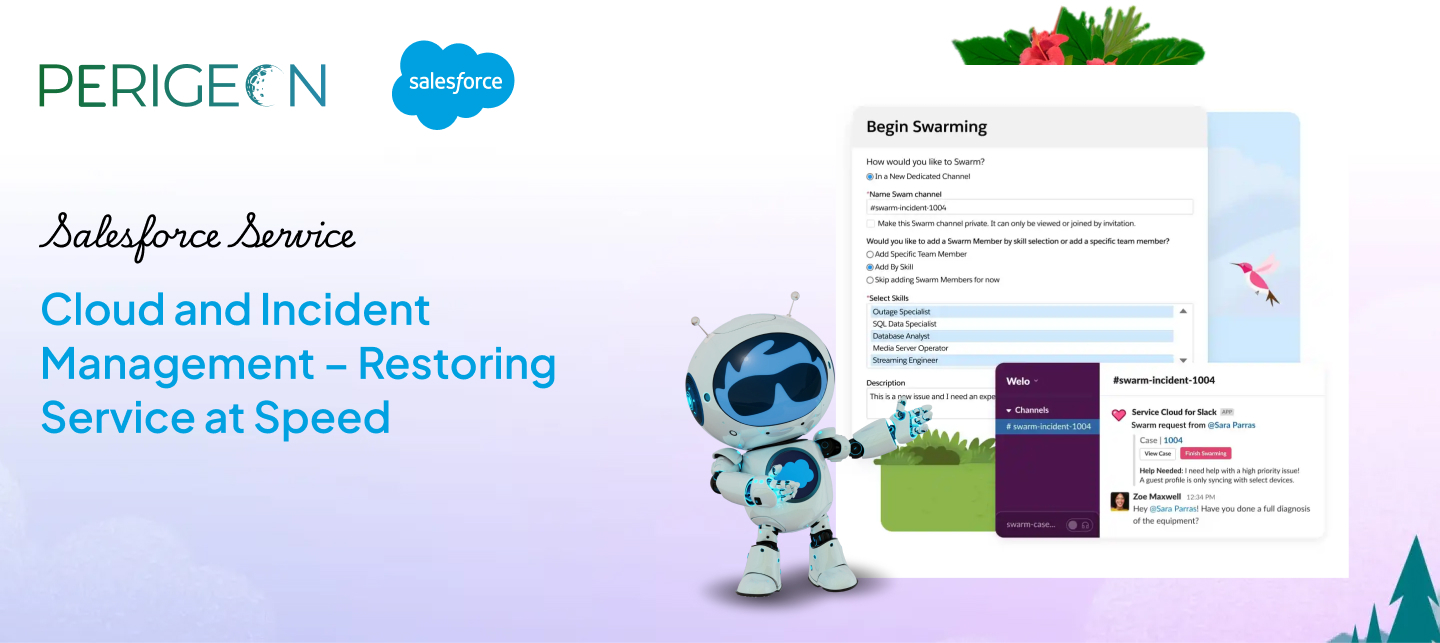
Service disruptions are inevitable in today’s digital-first business environment. Whether it’s a network outage, payment processing failure, application downtime, or service degradation, organizations are judged not by whether incidents occur but by how quickly and effectively they respond.
Traditional incident management approaches often rely on disconnected systems, manual escalation processes, and delayed communication. These challenges increase downtime, frustrate customers, and impact business continuity.
Organizations leveraging Salesforce Service Cloud Services can modernize incident management through a centralized platform for incident detection, response, collaboration, and resolution. With automation, AI-driven insights, and real-time communication, teams can restore services faster while maintaining customer trust.
What Is Incident Management?
Incident management is the structured process of identifying, analyzing, responding to, and resolving service disruptions that affect customers or business operations.
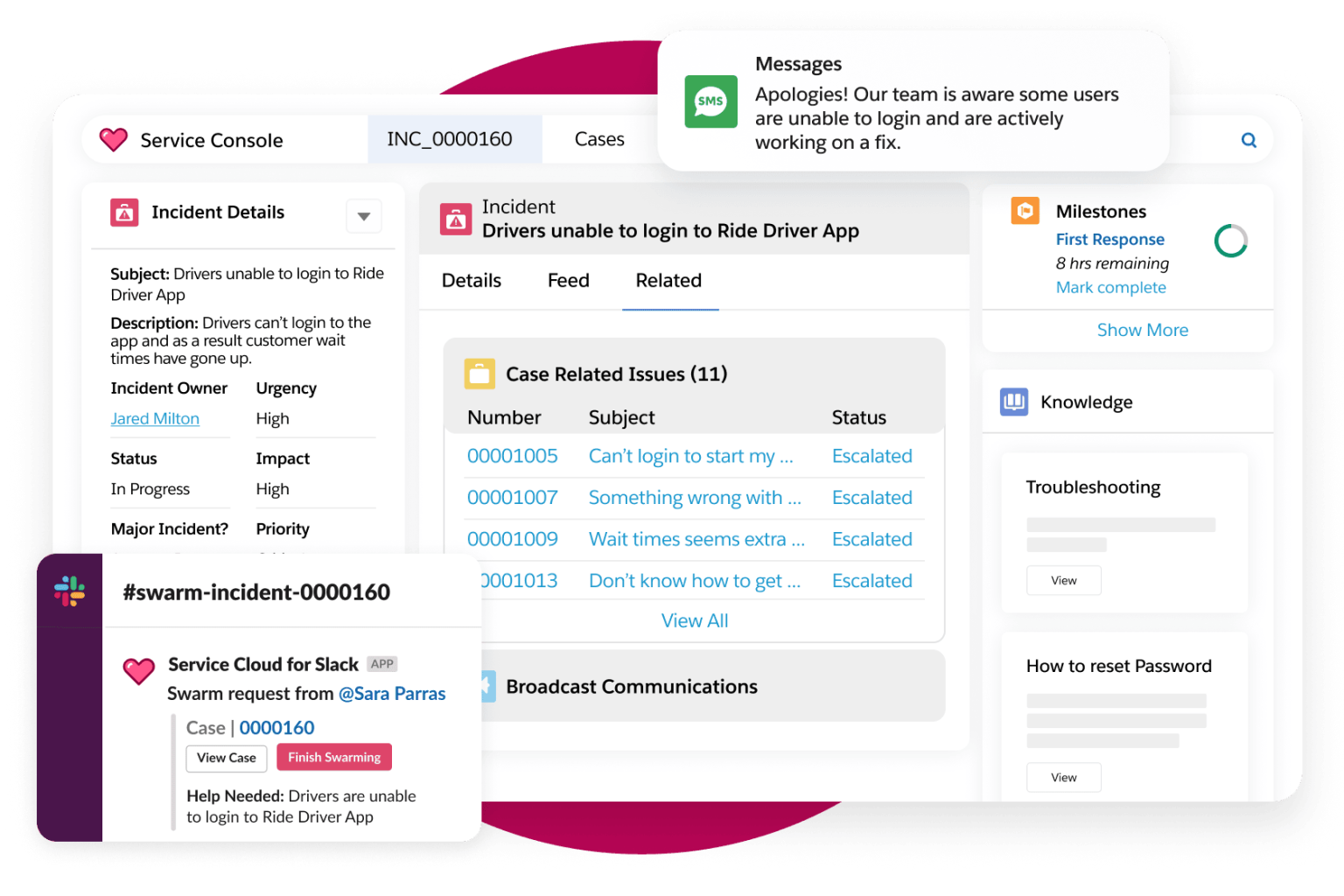
The primary objectives of incident management include:
- Minimizing service downtime
- Restoring normal operations quickly
- Reducing business impact
- Improving customer communication
- Preventing recurring incidents
A well-designed incident management process enables organizations to respond consistently and efficiently to both minor issues and major outages.
Challenges in Traditional Incident Handling
Many organizations struggle with:
Slow Incident Detection
Issues are often identified only after customers begin reporting problems, resulting in delayed response times.
Siloed Teams
IT, customer support, operations, and management teams frequently work in separate systems, making collaboration difficult.
Manual Escalation Processes
Critical incidents may require multiple approvals and manual notifications before action is taken.
Limited Visibility
Teams often lack a centralized view of incident status, root causes, and business impact.
Poor Customer Communication
Without automated updates, customers remain uninformed during service disruptions, leading to frustration and reduced trust.
How Salesforce Service Cloud Improves Incident Management
Salesforce Service Cloud provides a comprehensive framework for managing incidents from detection to resolution.
Centralized Incident Records
Service Cloud creates dedicated incident records that consolidate information, stakeholders, affected services, timelines, and resolution activities into a single source of truth.
Benefits include:
- Improved visibility
- Faster investigation
- Better accountability
- Easier reporting and audits
Automated Escalation and Workflows
Using Salesforce Flow and automation tools, organizations can automatically:
- Create incidents from monitoring alerts
- Assign ownership
- Trigger escalations
- Notify stakeholders
- Launch response workflows
This reduces manual effort and accelerates response times.
AI-Powered Incident Prioritization
Salesforce AI capabilities help identify high-impact incidents by analyzing:
- Customer impact
- Service severity
- Historical patterns
- Business risk
Teams can focus resources on incidents that require immediate attention.
Real-Time Collaboration
Integrating Salesforce Service Cloud with Slack enables cross-functional teams to collaborate in real time.
Teams can:
- Share updates instantly
- Coordinate responses
- Track action items
- Resolve incidents faster
Proactive Customer Communication
Transparent communication is essential during service disruptions.
Salesforce enables organizations to:
- Send automated notifications
- Provide status updates
- Share resolution timelines
- Reduce support call volumes
Keeping customers informed improves trust and customer satisfaction.
Industry Use Cases
Telecommunications
Network outages can impact thousands of customers simultaneously. Salesforce automatically prioritizes incidents based on affected regions, escalates issues to technical teams, and sends customer notifications.
Banking and Financial Services
Fraud detection alerts can trigger incident workflows that engage compliance, risk, and operations teams for rapid investigation.
Healthcare
Electronic Health Record (EHR) system downtime requires strict compliance and rapid response. Service Cloud helps healthcare organizations coordinate resolution efforts while maintaining audit trails.
Retail and Ecommerce
Online store outages can lead to significant revenue loss. Salesforce automates escalation processes and provides customers with real-time updates during service disruptions.
Future of Incident Management with Salesforce
- AI Root Cause Analysis: Suggests fixes based on history.
- Proactive Detection: IoT + monitoring integrations flag issues before they impact customers.
- Self-Healing Systems: Automated workflows resolve recurring issues without manual input.
Why Choose Perigeon for Salesforce Incident Management?
Perigeon helps organizations design and implement scalable incident management solutions using Salesforce Service Cloud.
Our expertise includes:
- Incident management workflow design
- Salesforce automation implementation
- Service Cloud optimization
- Slack integration service
- Escalation management frameworks
- Customer communication strategies
We have helped telecommunications providers, financial institutions, retailers, and healthcare organizations improve response times, reduce downtime, and enhance customer trust.
Conclusion
Incident response defines customer trust. With Salesforce Service Cloud, businesses:
- Detect faster.
- Collaborate better.
- Resolve sooner.